
Checking Withdrawal Terms Before Payouts at Oz Wins Casino
Time limits decide whether a bonus is a gift or a deadline. A seven-day validity period on a $100 bonus with 30x wagering requires $3,000 in qualifying bets within a week, roughly $430 a day; a 30-day period spreads the same requirement across a month. Neither suits every player: a weekend-only player fits the short window, someone playing an hour a week does not. When comparing ozwins against another site, put the wagering multiple, the expiry date and the maximum bet per spin side by side before the summary percentage.
Consumer Protection Under the Interactive Gambling Act
The Interactive Gambling Act 2001 was enacted to protect Australians from the harms associated with unregulated online gambling while allowing the continued operation of licensed sports and race betting. The Act creates a clear boundary: while online sports wagering is permitted under strict licensing, online casino-style games are largely banned for domestic provision. This legislative framework is designed to ensure that any gambling activity offered to Australians is conducted within a system that prioritises consumer safety, game integrity, and fair treatment.
When you use a licensed Australian bookmaker, your funds and personal data are protected by a multi-layered safety net. These operators are required to keep customer funds separate from operational funds, ensuring that money deposited for betting purposes is not used for corporate expenses. They must also undergo regular financial audits to prove they can meet their liabilities. Furthermore, they are bound by strict rules regarding advertising, preventing misleading claims about winning probabilities or minimising the risks of gambling addiction.
Accessing unlicensed offshore platforms like Oz Wins Casino removes you from this protective ecosystem. Because these operators are not authorised to provide services to Australians, they are not subject to Australian auditing standards. There is no assurance that their games use certified Random Number Generators (RNGs) that produce fair, unbiased outcomes. While many reputable offshore casinos do use third-party auditors, the lack of local regulatory oversight means there is no mechanism to verify these claims or enforce penalties for misconduct.
One of the most significant risks for punters using unlicensed sites is the potential for withheld withdrawals. Licensed operators are legally obligated to process payouts according to their published terms. If they fail to do so, regulators can impose heavy fines or revoke their licence. Unlicensed operators, however, operate outside this jurisdiction. They may cite vague terms and conditions, request excessive documentation, or simply delay payments indefinitely. Without a local regulatory body to intervene, the only avenue for recovery is often costly and complex international legal action, which is rarely feasible for individual consumers.
Data security is another critical area where licensed operators are held to higher standards. Australian regulations require robust data handling practices to protect personal and financial information. Unlicensed offshore sites may store data in jurisdictions with weaker privacy laws. This increases the risk of data breaches, identity theft, or the misuse of payment details. While many offshore sites claim to use SSL encryption, the absence of regulatory scrutiny means there is less accountability if a breach occurs.
The ACMA actively monitors and enforces compliance with the IGA. They maintain a public database of blocked websites that have been identified as offering illegal interactive casino services to Australians. While blocking measures can sometimes be circumvented, the existence of this list serves as a strong indicator of which operators are operating illegally. Engaging with a site that is on or likely to be on this list exposes the punter to significant legal and financial ambiguity.
Wolf winner casino kyc identity checks withdrawals rules
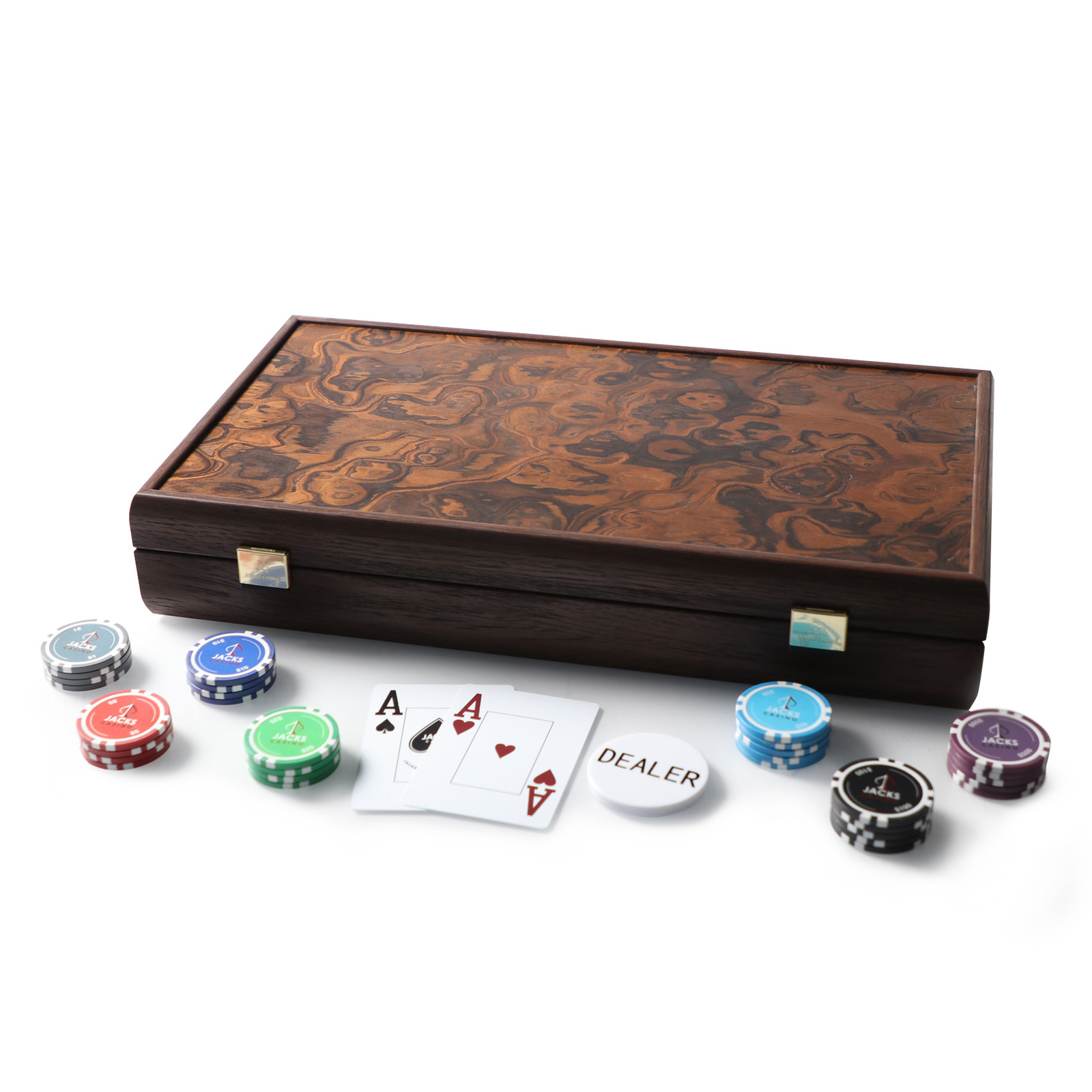
ozwins: offers, payments
Before moving money out of Ozwins, check the terms that apply to a withdrawal.
| Brand | Details |
|---|---|
| ozwins | A $10 maximum bet applies while any bonus is live; OzDeal rewards two Friday deposits on Fridays; cashback wagers at just 10x on the bonus with no cashout limit. |
Bonuses come with a hard ceiling on stakes that trips up players working through turnover. While any deposit bonus is active, the maximum wager is $10 per spin or bet until the playthrough is complete. Break it and the bonus and its winnings can be voided. OzDeal runs on Fridays: make two qualifying deposits and the third reward follows, with the same $10 cap applying. The cashback offer carries lighter terms, wagering at 10x on the bonus amount only, and it has no maximum cashout limit. Read the difference between these two structures: welcome bonuses demand 30x on deposit plus bonus, while cashback asks 10x on the bonus alone. Slow, low-stake play fits the first. The second rewards you for claiming after a losing session instead of during one.
Compare the wagering requirements, minimum deposits and maximum cashouts and the shortlist shrinks fast. Operators whose conditions would swallow your winnings drop away, leaving the ones that match the way you actually play and the amount you actually deposit.
Responsible Gambling Tools and Self-Exclusion Options
Limits that slow spending without stopping play
A spending limit on the casino account is the lightest of the controls available, and it suits a player who wants to keep playing but cap the damage from a bad evening. The setting usually works on the wallet side, capping deposits over a day, week or month, and it leaves the games themselves open. That design is the point and the weakness. If a session is going badly, a deposit cap stops the top-up but does nothing about the balance already in the account.
Two limits on the same account can look identical and behave differently. A deposit limit applies to money coming in. A loss limit caps the net difference between stakes and returns over the period, so a player who cycles winnings back through the games can stay inside a deposit cap while still losing consistently. The less obvious option for a player who keeps topping up is the deposit cap. The harder signal, that money comes in and does not come out, points to a loss limit or a spend figure watched across several weeks.
Time controls are the other half of that light-touch set. A session reminder displays elapsed time; a hard time limit closes play at the mark. Both help where an evening disappears without a decision being made. Neither changes the money. A player who sets a deposit limit and ignores the clock has protected one dimension and left the other open.
Which block to choose and what each one costs you
The choice between a short break and a self-exclusion comes down to the cost of returning. A cooling-off period is a fixed pause, and at its end the account is available again on the same terms. That cost is low, which is why it fits a single bad mood, a night that went further than intended, or a stretch when other pressures are spilling into play.
Self-exclusion is the heavier commitment. It typically runs for a longer defined period, and the account stays closed until that term ends, with reversal in many setups requiring a deliberate request instead of a click. The cost is real: the games are gone for the duration, friends playing without you, any balance awaiting a withdrawal handled through the operator’s process instead of routine play. The trade-off is the reason it works. A restriction you cannot undo in a weak moment is the one that holds.
The mismatch worth avoiding is choosing the short pause when the underlying pattern is longer, or choosing the long block as an act of willpower that then gets reversed. If a week’s pause is genuinely enough, take it. If the losing days keep coming back after each pause, the longer tool is the honest match.
Mutual exclusion and the accounts that stay open
A block protects only the accounts it attaches to, a point that matters more for a player with several casino memberships. A self-exclusion at one site does not travel automatically to others; each operator applies its own restriction. That makes it worth naming the accounts actually used when deciding how far a block should run, instead of assuming one request covers the field. National self-exclusion registers, where a jurisdiction runs one, are a separate service from the casino’s own settings, and whether they apply depends on where the operator is licensed and where the player is located.
Coupling the main tools is the habit that closes the gaps. A deposit limit and a session reminder run together cheaply, and one does not weaken the other. Where a player has decided time is the risk instead of money, the time limit carries the weight. Keep the settings where you can see them: an account page listing the active limits is easier to trust than a memory of what was chosen.
Reading the account instead of the intention
Limits chosen from memory tend to be optimistic. The account’s activity history gives the real numbers: how much went in, how much came out, and when, across the week or month. A hypothetical pattern shows how the reading works. Across four weeks, a player deposits $50 on a Friday every week and withdraws nothing in three of them; a $90 weekly cap would never have triggered, but the record still shows a recurring loss pattern. That reading, not the limit’s label, is the relevant evidence. The actual figures in a real account are the ones to look at, since no two play patterns match.
Spending controls also sit alongside the one option outside the settings: not logging in. That choice needs no allowance from any tool and no confirmation from support, and it can be made today without the casino’s involvement. Some players will find a single quiet week more instructive than a limit they set and then negotiate with. Both are decisions about access, and access is what these tools are for.
Frequently asked questions
Why is my deposit limit not showing up on the account?
Sometimes limits take a moment to sync across devices. If it remains absent after refreshing, check that verification was completed first—unverified accounts often block spending controls. Contact support if the setting doesn’t appear within an hour.
Can I set different limits for slots and table games?
Yes. Ozwins allows product-specific restrictions. You can cap losses on slots while leaving poker untouched. Select the game category before confirming the amount; this targets where you feel most at risk without shutting down other activities.
What happens if I try to play during self-exclusion?
The system blocks login attempts immediately. There is no override or temporary lift. If you need access sooner, you must wait until the chosen period expires. This hard stop prevents impulsive decisions when control feels lost.
Assessing the real cost of casino play
Track deposits against withdrawals, not just the bonus. A $50 deposit matched with a $100 withdrawal looks profitable until you subtract the time spent playing. Real cost includes losses plus the value of hours you could have used elsewhere.
Calculate your net position honestly. If you deposited $200 and withdrew $150, you lost $50 in cash plus whatever that session cost you in attention. Chasing losses to recover that gap usually deepens it. Set a hard stop before logging in at ozwins.